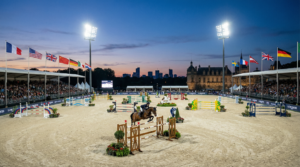
Equestrian Arena Smart Lighting: A Complete Guide for Horse-Friendly & 4K-Ready Illumination
If you run an equestrian facility—whether it’s for elite dressage training, local show jumping, or even televised events—you know daylight hours just aren’t enough. The demand for high-performance equestrian arena smart lighting has skyrocketed in recent years, but here’s the thing: horses aren’t humans, and their eyes work very differently.
I’ve worked with dozens of equestrian venue owners, and the biggest mistake I see is using standard industrial LEDs and calling it a day. Poorly designed lighting doesn’t just ruin a 4K broadcast feed—it stresses horses, raises injury risks, and limits your ability to host night events. That’s why this guide breaks down exactly what makes a truly horse-friendly, 4K-ready equestrian arena smart lighting solution, why standard LEDs fall short, and how to pick an LED manufacturer equestrian lighting that gets both equestrian needs and broadcast requirements.
Why Equestrian Arenas Can’t Settle for Standard Lighting
I get it—standard industrial LED floodlights seem like a quick, affordable fix. But equestrian venues have three unique challenges that regular lighting completely ignores. Let me break them down (from what I’ve seen firsthand):
1. Horses Are Hyper-Sensitive to Flicker
Horses perceive light flicker at way higher frequencies than we do. What looks like steady light to you? It might feel like a distracting strobe to a horse. I’ve seen this cause anxiety during training, reduce focus in dressage, and even lead to dangerous refusals or miscalculations in jumping events. Flicker-free horse arena lights are non-negotiable for any serious equestrian facility.
2. Glare and Shadows Are Safety Hazards
Direct glare—light shining straight into a horse’s eyes—creates temporary “blind spots.” This is terrifyingly dangerous during takeoff or landing over a jump. Uneven shadows are just as bad; horses can misinterpret them as changes in the ground, leading to hesitation or spooking. I once helped a venue fix this issue with horse-friendly LED lighting, and their trainer reported calmer horses within a week.
3. Broadcast Needs Demand Next-Level Quality
If you ever want to host televised events (or even just high-quality live streams), standard lighting won’t cut it. Slow-motion 4K cameras pick up visible banding from cheap LED drivers, ruining the feed. Professional events require flicker-free drivers and a CRI (Color Rendering Index) of ≥90—something standard LEDs rarely offer. A dedicated equestrian arena lighting manufacturer designs around these needs, not just lumens per watt, ensuring 4K broadcast horse arena lighting compatibility.
What Makes a Smart Equestrian Lighting Solution? (3 Core Techs)
Smart lighting isn’t just about “controlling lights with a phone”—it’s about solving the unique problems of equestrian arenas. The best equestrian arena smart lighting solution integrates three core technologies, and I’ll explain what to look for in each:
Core Tech 1: Precision Optical Design (No More Light Waste)
Generic floodlights spray light everywhere—wasting energy, annoying neighbors, and creating uneven coverage. Professional equestrian lighting uses asymmetric lenses to direct light exactly where it’s needed: the riding surface or track. No more light in horses’ eyes, no more dark spots. This precision is a hallmark of a quality equestrian arena smart lighting solution.
Here are the key specs to demand (I always check these first):
- Vertical illuminance ≥1200 lux for broadcast events (lower, 200–300 lux, works for daily training)
- Uniformity ratio (U1) ≥0.7—this ensures no hot spots or dark zones
- Asymmetric distribution for long or oval arenas (critical for racetracks)
A reputable LED manufacturer equestrian lighting will give you a DIALux equestrian lighting design simulation before manufacturing—this shows exactly how light will cover your specific arena dimensions. Don’t skip this step; I’ve seen venues regret it when hot spots appear after installation.
Core Tech 2: Flicker-Free & Glare Control (Non-Negotiable for Horses)
Flicker and glare aren’t “nice-to-haves”—they’re essential for horse welfare. Here’s what to look for in horse-friendly LED lighting:
- Flicker-free drivers that operate above 20,000 Hz—this eliminates flicker even for high-speed cameras (1000+ fps) and complies with IEEE 1789 standards, making them ideal for flicker-free horse arena lights.
- Glare control via deep-recessed optics and anti-glare accessories, targeting UGR <16 (well below standard sports lighting requirements).
- Real-world win: Every arena I’ve helped upgrade to flicker-free horse arena lights reports calmer horses, fewer refusals, and easier training sessions. It’s a small change that makes a huge difference.
Core Tech 3: Smart Control Systems (Adapt to Your Needs)
Smart lighting should work for you, not the other way around. With a tap on a tablet or wall panel, you should be able to switch between modes—no complicated setup. Here’s the breakdown of the most useful modes (I’ve tailored this to what venue owners actually use), all part of a comprehensive equestrian arena smart lighting solution:
| Mode | Illuminance | Color Temperature | Typical Use |
| Training | 200–300 lux | 4000K | Daily flatwork, low glare for calm training |
| Club Competition | 600–800 lux | 5000K | Local shows, clear visibility for judges |
| Broadcast / TV | 1200–1500 lux | 5600K | 4K/8K production, Ra≥90 for accurate color (ideal for 4K broadcast horse arena lighting) |
| Maintenance | 100 lux | 3000K | Cleaning, low-energy mode to save costs |
Modern systems also support scheduling, remote dimming, and fault alerts via cloud platforms—key features of a smart equestrian arena lighting solution. This cuts operational costs and extends fixture life—something every venue owner appreciates.
How to Choose the Right Equestrian Arena Lighting Manufacturer
Not all LED suppliers understand equestrian needs. I’ve seen venues waste money on “sports lighting” that’s not horse-friendly. Use this checklist to avoid mistakes (I use it with my clients) when selecting an equestrian arena lighting manufacturer:
✅ Certification & Compliance (Non-Negotiable for Export)
If you’re selling or operating in North America, Europe, or internationally, look for these certifications. A serious equestrian arena lighting manufacturer will post them openly, especially for UL listed LED horse arena lights:
- North America: UL, DLC Premium (critical for UL listed LED horse arena lights)
- Europe: CE, ENEC, CB
- International: IEC, LM-80, TM-21
✅ Long-Term Reliability (Arenas Are Harsh Environments)
Equestrian arenas are tough—dust, humidity, temperature swings, and vibration from hoof impact. Your horse-friendly LED lighting needs to hold up. Look for these specs when working with an LED manufacturer equestrian lighting:
- IP66 rating (waterproof and dustproof—essential for outdoor arenas and durable flicker-free horse arena lights)
- L70 > 100,000 hours (based on TM-21 extrapolation—this means the lights will stay bright for years)
- At least a 5-year warranty (the best equestrian arena lighting manufacturer offers 7–10 years)
✅ Real Project References (Don’t Take Their Word for It)
Ask for case studies of similar venues—indoor dressage arenas, outdoor jumping venues, racetracks, or rodeo arenas. A legitimate equestrian arena lighting manufacturer will share before/after photos, DIALux equestrian lighting design reports, and even contact info for past clients. I always check these references to make sure their work lives up to their claims, especially for 4K broadcast horse arena lighting projects.
✅ Pre-Sales Design Support (DIAlux Simulations)
The best LED manufacturer equestrian lighting offers DIAlux equestrian lighting design simulations before you commit. This eliminates guesswork and ensures uniform coverage for your equestrian arena smart lighting solution. If a supplier won’t provide this, walk away—they’re not serious about your venue’s needs.
Common Mistakes to Avoid (From Someone Who’s Seen Them All)
I’ve helped fix dozens of lighting disasters. Here are the most common mistakes venue owners make—and their consequences—when selecting an equestrian arena smart lighting solution or LED manufacturer equestrian lighting:
| Mistake | Consequence |
| Buying based on lumens only | Ignores uniformity and glare—horses stay stressed, and coverage is uneven, even with so-called horse-friendly LED lighting |
| Skipping DIALux simulation | Hot spots and dark zones appear after installation—costly to fix, even with a quality equestrian arena smart lighting solution |
| Choosing non-flicker drivers | Broadcasts are unusable (failing 4K broadcast horse arena lighting requirements), and horses show stress (refusals, anxiety) |
| Ignoring mounting height | Improper pole height ruins beam angle effectiveness—wasting light and money, even with a top-tier LED manufacturer equestrian lighting |
| No smart controls | Can’t adjust for different activities—wasting energy and limiting venue use, defeating the purpose of an equestrian arena smart lighting solution |
Why Work With a Dedicated Equestrian LED Manufacturer?
As someone who’s partnered with specialized LED manufacturers for years, I can tell you: working with a team that focuses on equestrian and sports lighting makes all the difference. Here are three key advantages of choosing a dedicated equestrian arena lighting manufacturer for your equestrian arena smart lighting solution:
End-to-End Service (No More Coordinating Multiple Vendors)
The best LED manufacturer equestrian lighting handles everything from design to installation support for your equestrian arena smart lighting solution. Here’s how their process usually works (and what you should expect):
- You provide your arena dimensions and required lux levels (training, competition, or broadcast).
- They deliver a DIALux equestrian lighting design simulation and fixture layout—so you can see exactly how the light will look.
- They manufacture, test, and ship the fixtures with all certification documents, including those for UL listed LED horse arena lights if needed.
- They offer remote or on-site commissioning support—so you don’t have to figure it out alone.
Frequently Asked Questions (FAQs I Get Asked Most)
Q: Can I retrofit my existing metal halide poles with LED?
A: Usually, yes—but you need to redesign the optics. A DIALux equestrian lighting design simulation is a must to verify coverage. I’ve retrofitted dozens of venues with horse-friendly LED lighting, and it’s a cost-effective way to upgrade to an equestrian arena smart lighting solution without replacing poles.
Q: What’s the typical payback period for smart LED equestrian lighting?
A: Most facilities see payback in 2–4 years. The 70-80% energy savings and reduced maintenance costs of a quality equestrian arena smart lighting solution add up fast. One client of mine, who worked with a top equestrian arena lighting manufacturer, hit payback in 2.5 years and now saves $10,000+ annually on electricity.
Q: Do I need a different color temperature for indoor vs outdoor arenas?
A: Yes! 4000K is perfect for indoor training (it’s soft and calm) with horse-friendly LED lighting. For outdoor broadcast events, 5000–5600K is better—it matches natural daylight and works well with 4K broadcast horse arena lighting.
Q: How do I know if my current lighting has flicker?
A: Grab your smartphone and record the arena in slow-motion (240 fps or higher). If you see visible bands or rolling bars, your lighting has flicker—meaning it’s not suitable for flicker-free horse arena lights. It’s a quick, easy test—I do it for clients all the time when evaluating their equestrian arena smart lighting solution.
Conclusion: Light That Works for Horses and Cameras
Investing in a professional equestrian arena smart lighting solution isn’t an expense—it’s an upgrade that pays for itself. Here’s what you’ll get when working with a trusted equestrian arena lighting manufacturer:
- Safer training and fewer horse injuries (thanks to flicker-free, glare-controlled horse-friendly LED lighting)
- The ability to host night events and televised competitions (opening new revenue streams with 4K broadcast horse arena lighting)
- Lower electricity bills and longer equipment life (saving you money long-term with a quality LED manufacturer equestrian lighting)
As someone who’s helped equestrian venues worldwide upgrade their lighting, I know how much of a difference the right equestrian arena smart lighting solution makes. If you’re ready to design a solution for your arena, get your DIAlux equestrian lighting design simulation today from a dedicated equestrian arena lighting manufacturer.